Bruxelles | 4th December
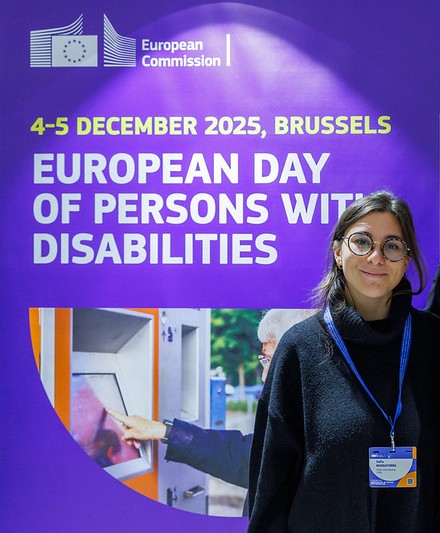
On Thursday, 4 December, Sofia, our ESC Volunteer, attended the European Day for People with Disabilities (EDPD) 2025 in Brussels at the European Commission.
During the day, she participated at the two panels, enriched by personal testimonies, informative presentations, and engaging exchanges. From the opening greetings, it was clear that the space was intended for reflection and for taking responsibility – not only personally, but also institutionally – toward concrete action.
The first panel in the morning, Forging Ahead: The Next Chapter in Implementing the Strategy for the Rights of Persons with Disabilities 2021–2030, offered a deep immersion into discussions that strengthened the shared mission of building an inclusive future, not only on words but also on tangible actions, policies, laws, and strategies that can be realistically implemented.
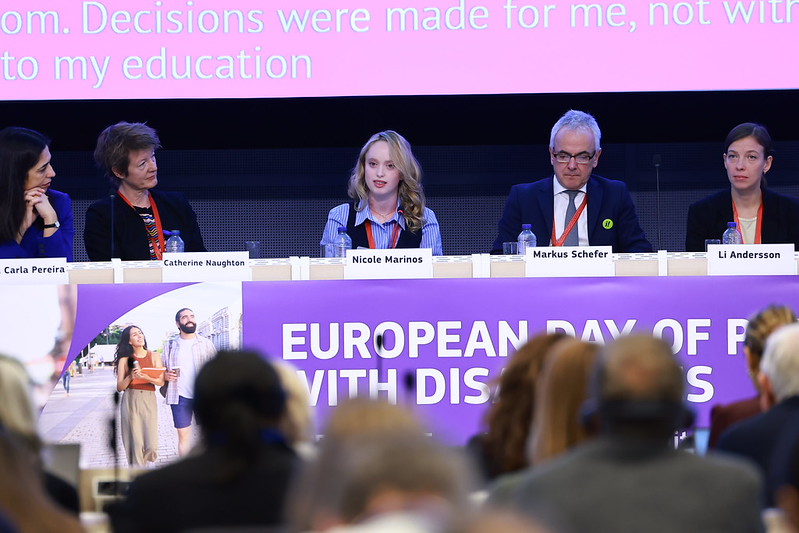
The testimony of Nicole Sophia Marinos was particularly moving. She explained how “inclusion gave her a voice, exclusion the determination” emphasizing how the environment shapes both inclusion and exclusion. A supportive environment, she noted, places no limits on potential.
The morning session prompted reflection on key challenges: independent living, mobility, political participation, media representation of disability, discrimination, and employment. As Markus Schefer highlighted that to change a society that was designed to be uninclusive takes time, but the effort must continue.
During lunch and coffee breaks, Sofia had the opportunity to meet and speak with other representatives from European associations and organizations, sharing insights and exchanging ideas. She observed how the common mission connects people not only in intentions, places, and events, but also through concrete actions and initiatives.
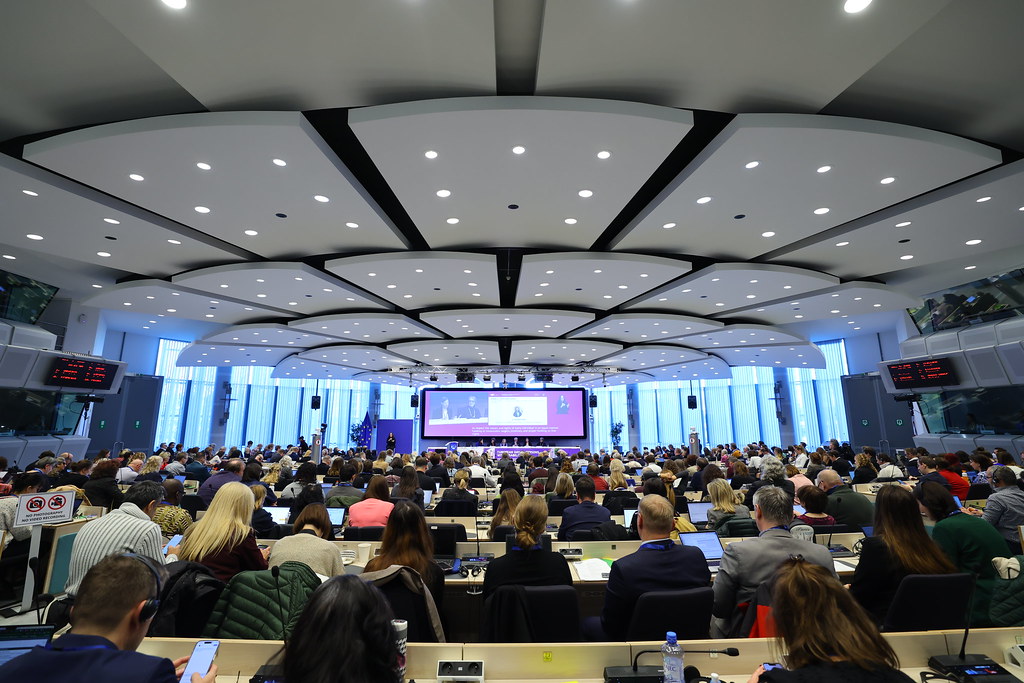
In the afternoon, Panel 2, Funding the Union of Equality: Towards a Disability-Inclusive EU Budget, opened with the empowering testimony of Patrick Luypaert about his successful experience as an inclusive employee. He shared that in his workplace, he is no longer seen as “a person with a disability who works on computers, but just a person working on computers”.
Following the panel, the Q&A and discussion provided another valuable opportunity to deepen understanding of both personal and national challenges, as well as the shared commitment to negotiate, act, and promote inclusive practices. The session highlighted how collective efforts can help shape a more inclusive Europe.
For Sofia, attending her first European event was highly motivating. She returned with a stronger commitment to listening, understanding, and contributing to meaningful change.
By Sofia Mangiaterra